
Analyzing Cross-Device Synchronization Challenges in Multi-Platform Casino Bonus Systems
Multi-platform casino bonus systems allow players to access promotions across smartphones, tablets, desktops, and other connected devices, yet maintaining consistent states for bonus balances, wagering requirements, and eligibility rules creates persistent technical hurdles. Operators deploy these systems to support seamless play, but differences in operating systems, network conditions, and data handling protocols often lead to mismatches that disrupt user sessions. Research from industry groups indicates that synchronization failures account for a measurable portion of support tickets in markets where cross-device play has grown steadily through 2026.
Core Components of Multi-Platform Bonus Architectures
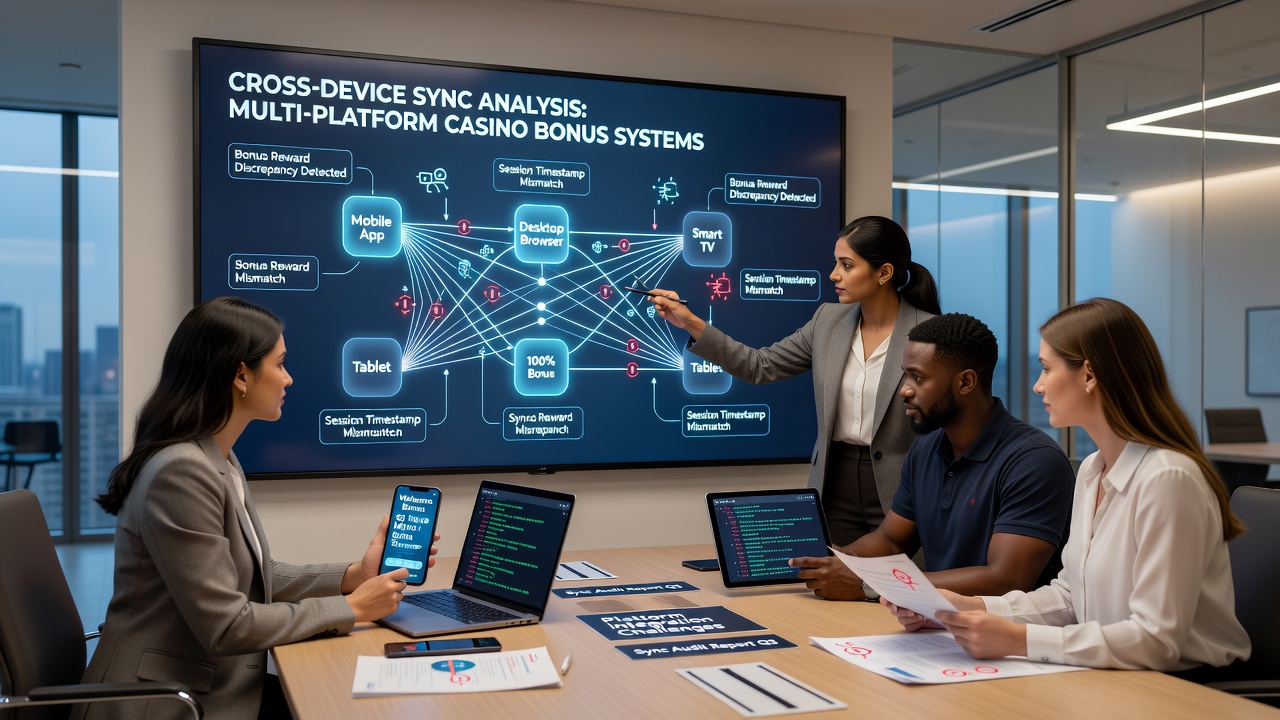
Bonus systems track player progress through central servers that record deposits, wagers, and completions of promotional terms. When a user switches from an Android phone to a desktop browser, the server must reconcile the current state without duplicating credits or resetting progress indicators. This process relies on timestamped event logs, unique session identifiers, and API calls that push updates in near real time. Data from the New Jersey Division of Gaming Enforcement shows that regulated operators processed increasing volumes of cross-device bonus claims during the first half of 2026, highlighting the scale of information that must remain aligned across endpoints.
Technical Barriers to Reliable Synchronization
Network latency stands out as a frequent source of desynchronization, particularly when players move between Wi-Fi and cellular connections or experience brief outages. A bonus credit applied on one device may not register on another until several seconds later, creating opportunities for conflicting transactions. Platform-specific restrictions compound the issue, since iOS and Android enforce different background processing rules that affect how apps poll for updates. Experts note that these constraints force developers to implement custom retry mechanisms and conflict-resolution algorithms that compare incoming data against stored records before committing changes.
Data Integrity adn Conflict Resolution
Simultaneous logins from multiple devices introduce race conditions where two sessions attempt to modify the same bonus record. Systems counter this through locking protocols and version numbering, yet implementation gaps still surface during peak traffic periods. In July 2026, several operators reported temporary spikes in reconciliation errors following major software updates on popular mobile operating systems, underscoring how external changes ripple through shared bonus infrastructures. Observers point out that maintaining audit trails for every adjustment becomes essential for regulatory compliance, since authorities require verifiable records of how promotional funds move between accounts.
Regulatory Perspectives Across Jurisdictions
Regulators in multiple regions examine how operators handle bonus synchronization to protect players from unintended losses or duplicated claims. The Michigan Gaming Control Board requires detailed reporting on system uptime and error rates for promotional features, while Australian authorities under the Interactive Gambling Act monitor compliance with fairness standards that extend to cross-device functionality. European operators often reference guidelines from the European Betting and Gaming Association when designing reconciliation procedures, seeking alignment with broader consumer protection frameworks. These varied oversight models encourage operators to adopt standardized logging practices that satisfy multiple jurisdictions without fragmenting development efforts.
Industry Responses and Technical Mitigations
Developers increasingly rely on event-driven architectures and distributed databases that propagate updates through message queues rather than direct writes. This approach reduces the window during which conflicting states can exist. Testing regimes now incorporate simulated device switching scenarios to surface edge cases before deployment. One documented case involved an operator that traced recurring bonus duplication to a timezone handling discrepancy between server clusters, a problem resolved after adjusting synchronization timestamps to a unified reference. Such examples illustrate how seemingly minor configuration details affect overall system reliability when thousands of concurrent sessions interact with shared promotional pools.
Conclusion
Cross-device synchronization in casino bonus systems remains an evolving engineering challenge shaped by hardware diversity, regulatory demands, and the need for uninterrupted player experiences. Continued refinement of conflict-resolution protocols and broader adoption of consistent data standards across platforms support more stable operations. Figures from regulatory filings and industry associations continue to track progress in these areas, providing benchmarks that operators use to measure improvements over successive release cycles.